
Football, when guided with vision, is not just sport: it is popular diplomacy, identity, the future.
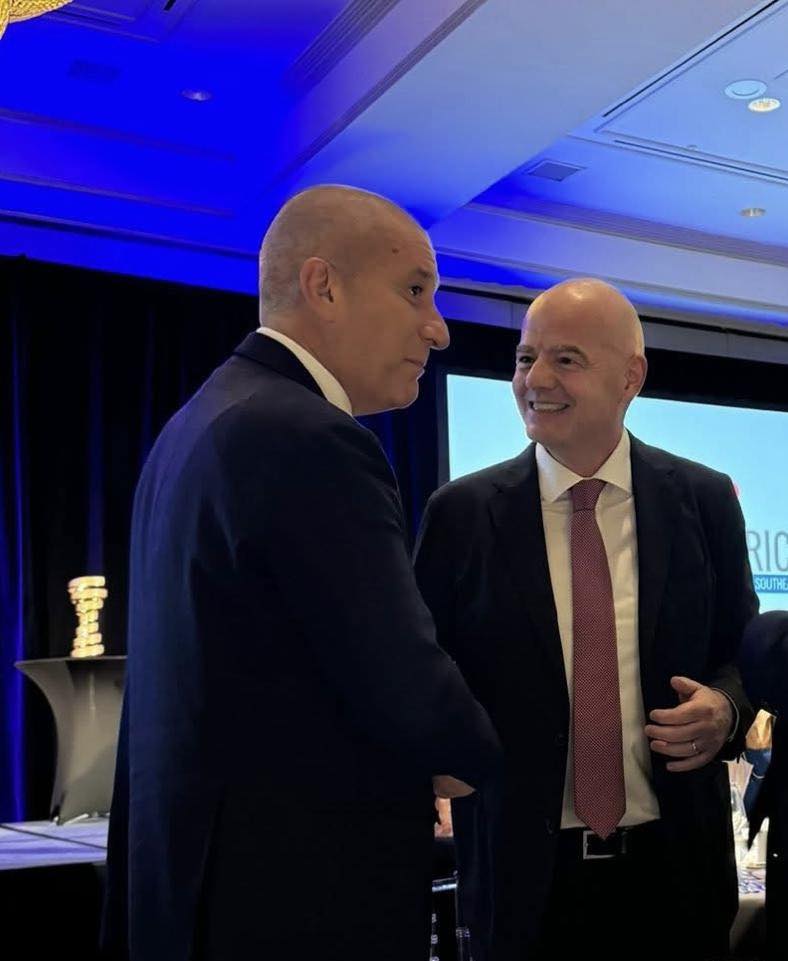
Gianni Infantino had the merit of reminding the world of something simple but often forgotten: football belongs to everyone. To big countries and small, to capital cities and suburbs, to established champions and children playing in the streets with a worn ball.
In an age when many divide, football can still unite. It can create bridges where politics often raises walls. It can give voice to peoples, cultures and continents that have for too long remained on the fringes of the great stage.
And here there is also a profound lesson that our national football team should have the courage to learn: greatness is not built by defending positional gains, but by broadening the vision. You don’t go back to being competitive just by looking at the past, privileges, small internal balances. You make a comeback when you truly invest in young Italians: in youth teams, football schools, coaches, facilities, suburban fields, and the paths that allow national talent to emerge and not get lost.
Italian football has an immense history, but history alone is not enough. Traditions should be honored, not used as alibis. We cannot simply celebrate what we have been: we must have the courage to build what we can be again. And this comes first and foremost from our kids, from the ability to believe in Italian talent, train it, protect it, and give it space.
The world runs, changes, includes new markets, new energies, new languages. Those who remain still contemplating their glories risk turning memory into nostalgia.
The true greatness of a global sport is measured not only by trophies, but by the ability to include, make people dream, and bring opportunities where previously there were only distances.
In this, Infantino’s international vision has certainly opened a new path. And perhaps national football should look at it with less suspicion and more intelligence: because the future is not suffered, it is built. And in our case, it is built starting from young Italians.